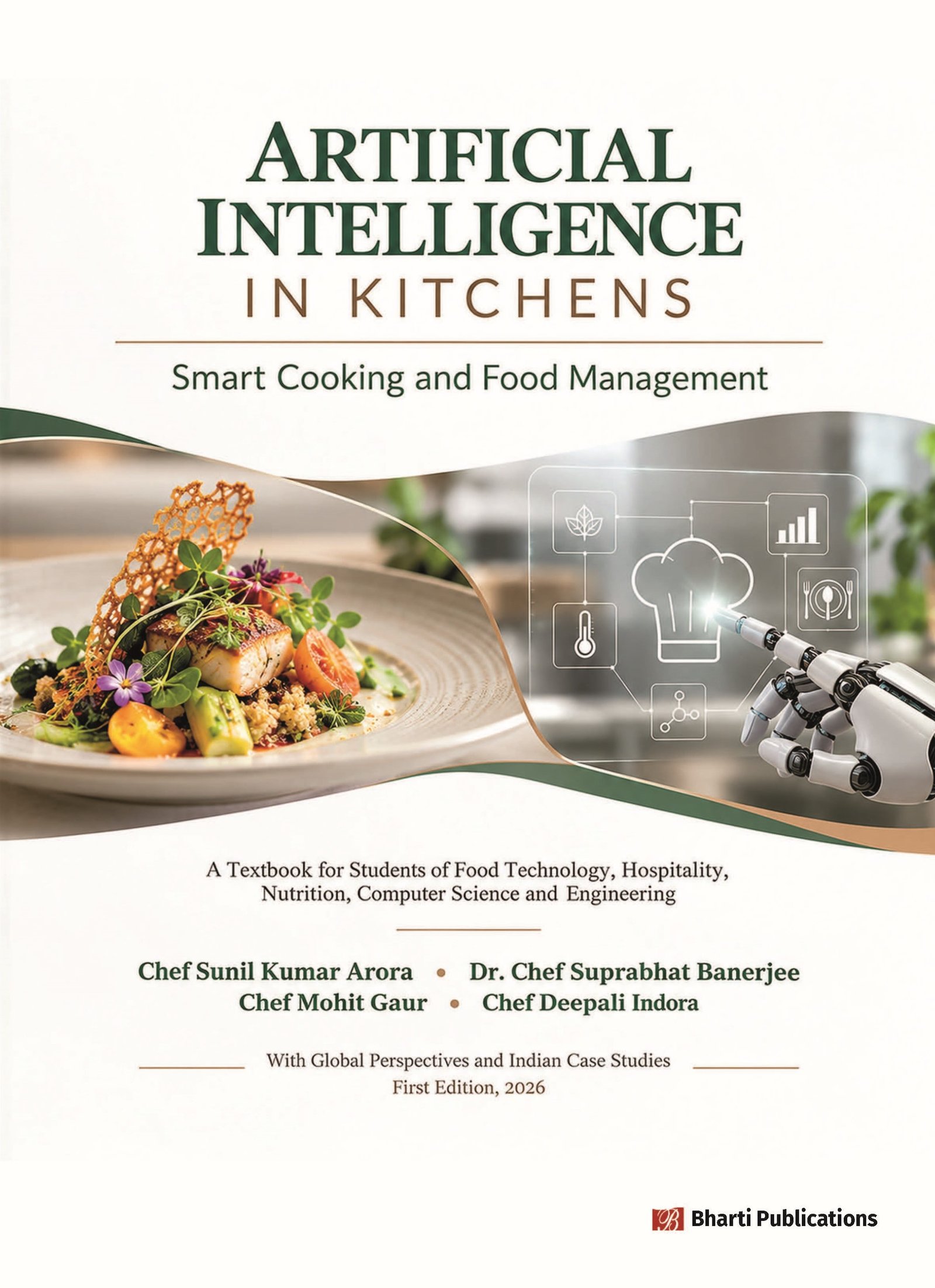

Few rooms in the home have resisted change as stubbornly as the kitchen. The living room acquired the radio, then the television, then the streaming box. The study acquired the typewriter, then the personal computer, then the laptop and the cloud. Yet in millions of homes, and certainly across most of India, the kitchen of 2026 would be instantly recognisable to a cook from 1976: a gas burner, a pressure cooker, a set of steel vessels, a masala dabba with its seven small tins, and a refrigerator that keeps things cold without knowing anything about what it holds. That is beginning to change. Refrigerators now carry cameras that recognise vegetables and read labels. Countertop devices chop, stir and temper according to recipes downloaded from the cloud. Commercial kitchens weigh and photograph every scrap of food thrown into the bin and use the images to decide how much rice to cook tomorrow. Delivery platforms predict how long a biryani will take to prepare in a particular restaurant on a particular rainy Friday. Large language models, the same systems that write essays and computer code, will now suggest what to cook with half a cabbage, two tomatoes and leftover dal, and will adapt the suggestion for a diabetic grandparent. This book is an introduction to that change. ...It is written for undergraduate and postgraduate students in food technology, hotel management and catering, home science, nutrition, computer science and engineering, and for anyone who needs a structured, academically grounded account of how artificial intelligence (AI) is being applied to cooking and to the management of food. It assumes no prior knowledge of machine learning, and it assumes no prior knowledge of cooking science. Each is explained from first principles, and the two are brought together chapter by chapter.